The China-U.S. Embassy Sci-tech Expo highlights the growing collaboration between the two nations in science and technology, despite broader geopolitical tensions. Here are the key aspects of this engagement:
Event Overview
- The expo, hosted by the Chinese Embassy in the U.S., showcases cutting-edge innovations in AI, clean energy, biotechnology, and space exploration.
- It serves as a platform for researchers, policymakers, and industry leaders to discuss joint ventures and knowledge sharing.
Key Areas of Cooperation
Artificial Intelligence (AI): Joint research on ethical AI development and applications in healthcare and smart cities.
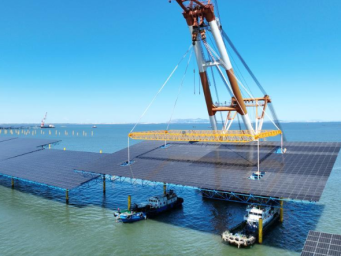
Climate & Clean Energy: Partnerships in renewable energy tech (solar, wind, battery storage) to meet global climate goals.
Biotechnology: Collaborative efforts in genomics, drug development, and pandemic preparedness.
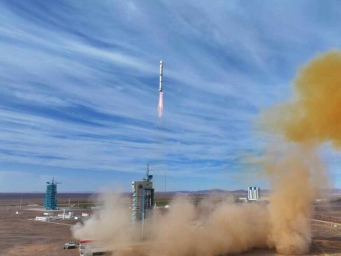
Space Exploration: Potential coordination on lunar missions and Mars exploration.
Significance
Diplomatic Bridge: Sci-tech exchanges act as a stabilizing force amid political friction.
Economic Benefits: Shared R&D can reduce costs and accelerate breakthroughs.
Global Challenges: Addresses transnational issues like climate change and health crises.
Challenges
Export Controls: U.S. restrictions on semiconductor and advanced tech exports to China.
IP Concerns: Tensions over intellectual property protections.
Geopolitical Distrust: Competition in critical tech (e.g., 5G, quantum computing) may hinder collaboration.
Future Outlook
- Both nations recognize mutual benefits in selective cooperation, particularly in non-sensitive fields.
- Grassroots academic and corporate partnerships continue to thrive, even as governments impose barriers.
Conclusion
The expo underscores the potential for "coopetition"—cooperation in science while competing strategically. Balancing competition and collaboration remains crucial for global progress.
Would you like details on specific projects or policy implications?
|
|
 |周边二手车|手机版|标签|新闻魔笔科技XinWen.MoBi - 海量语音新闻!
( 粤ICP备2024355322号-1|
|周边二手车|手机版|标签|新闻魔笔科技XinWen.MoBi - 海量语音新闻!
( 粤ICP备2024355322号-1| 粤公网安备44090202001230号 )